


-

Add: HeBei ShengShi HongBang Cellulose Technology CO.,LTD.
-

Email
13180486930@163.com -

CONTACT US
+86 13180486930

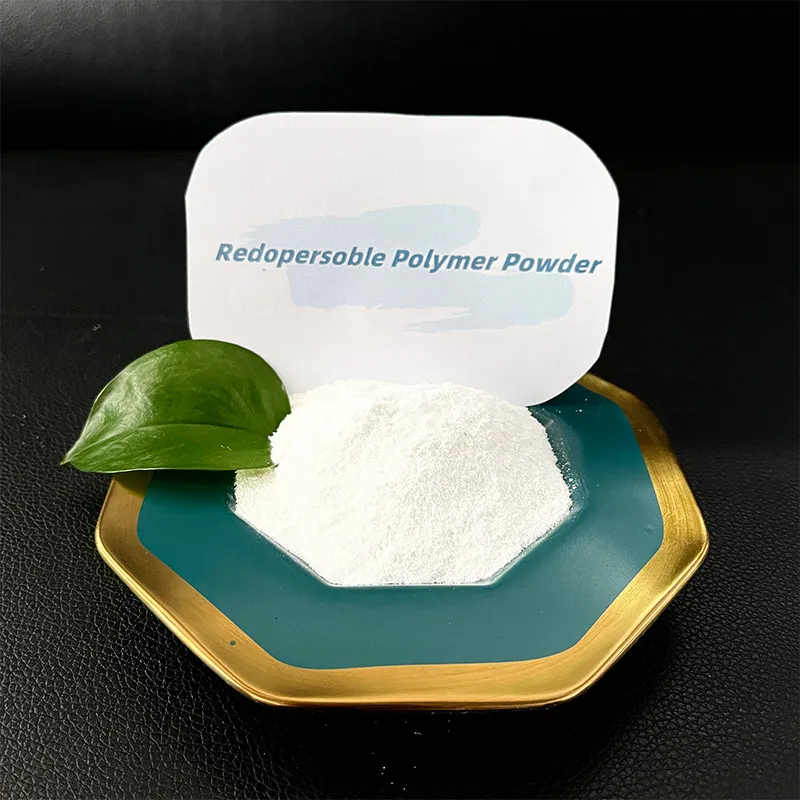
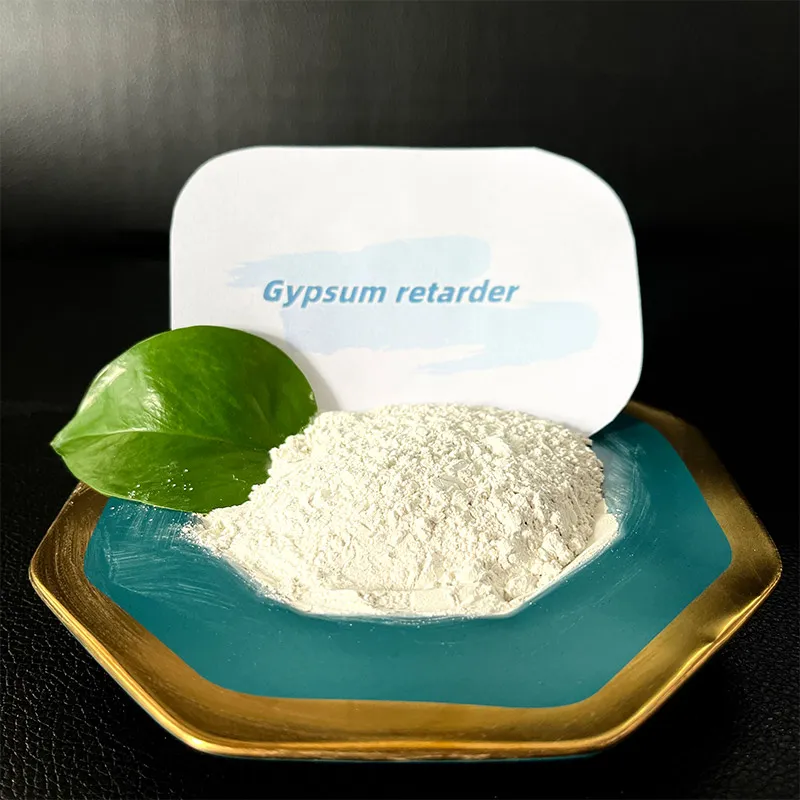
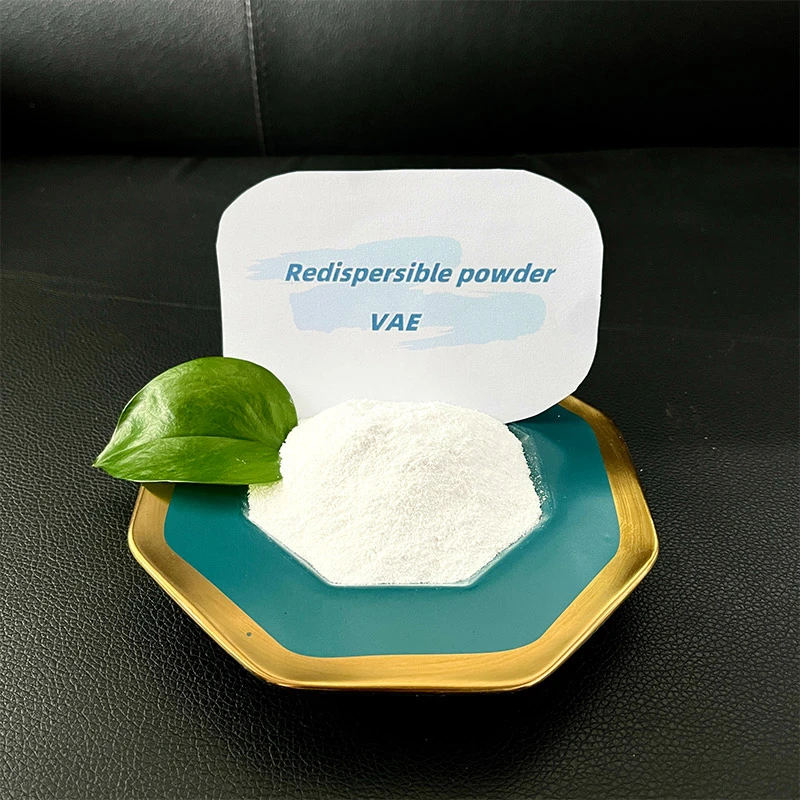
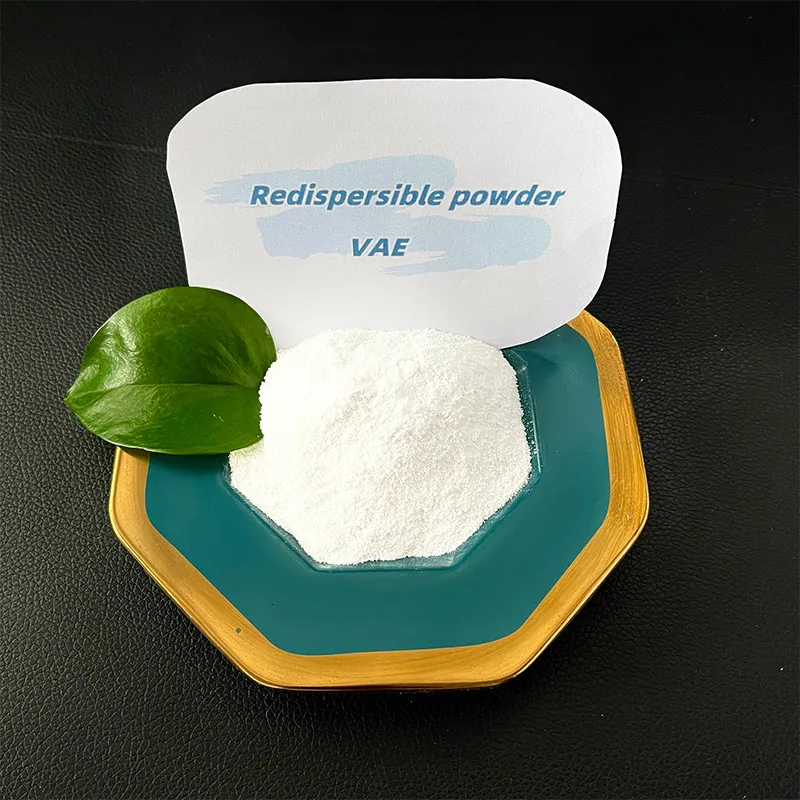


HPMC K 100 M, short for Hydroxypropyl Methylcellulose, is a versatile polymer widely used across industries like pharmaceuticals, construction, personal care, and food. From a professional lens, it’s imperative to understand the multi-faceted applications and the experience of its effectiveness in diverse sectors. As a high-viscosity grade of HPMC, K 100 M is particularly recognized for its unique properties, providing thickening, emulsifying, and film-forming capabilities that outperform many traditional ingredients. In the pharmaceutical industry, HPMC K 100 M is a cornerstone . This polymer is predominantly used as a binder and hydrophilic matrix material in tablets. Its exceptional gel-forming ability upon contact with water aids in controlling the release of drugs, making it an indispensable component in the formulation of sustained-release tablets. Experts have noted that its consistent performance significantly improves patient compliance and therapeutic efficacy, as drug release can be meticulously controlled over extended periods. HPMC K 100 M excels in the field of construction, offering enhanced water retention and workability in building materials. Its application in cement, plaster, and tile adhesives ensures that workability is greatly improved, and setting times are optimized, which is crucial for large-scale construction projects. As experienced contractors and engineers suggest, using HPMC ensures consistency and performance stability, leading to reduced material costs and improved structural integrity. The polymer’s ability to enhance sag resistance and facilitate easier application further underscores its indispensability in modern construction practices. hpmc k 100 m In personal care products, HPMC K 100 M is lauded for its non-toxic, biodegradable nature, enhancing both safety and compliance with stringent regulatory standards. This cellulose ether is utilized as a thickener and binder in skincare and haircare products. Beauty industry experts highly regard its film-forming properties that provide a smooth, evenly distributed application for lotions and creams, enhancing the skin's feel and protecting it from irritants. Innovators in personal care formulations emphasize its hypoallergenic nature, which is a crucial factor in products designed for sensitive skin types. Moreover, the credibility of HPMC K 100 M in food applications cannot be understated. It's used as an emulsifier, thickener, and stabilizer in various food products, including dairy and bakery items. This polymer enhances texture and mouthfeel while maintaining the structural integrity of products during freezing and thawing processes. Food scientists advocate HPMC K 100 M for its ability to act as a vegetarian alternative to gelatin, expanding the scope of product offerings and catering to a wide demographic seeking plant-based options. In conclusion, the manifold applications of HPMC K 100 M in diverse industries underscore its expertise and authoritative standing among polymers. Those with comprehensive experience using HPMC K 100 M consistently report marked improvements in product quality and process efficiency. Its unmatched versatility, combined with the expertise of professionals across sectors, ensures HPMC K 100 M remains a trusted, authoritative choice. Its reliability as a product ingredient, supported by substantial empirical application and industry accolades, reinforces its trustworthiness in the eyes of manufacturers and consumers alike.
- 40000tons

Production
- 20+years

Experience
- 5000+㎡

Acreage

-

In the realm of ocular health, the challenge of maintaining eye moisture has garnered immense attention. With technological advancements and extensive research in ophthalmology, solutions like Retained HPMC Lubricant Eye Drops have emerged as vital tools in alleviating discomfort associated with dry eyes. These eye drops, known for their efficacy, cater to a growing demographic of individuals grappling with hydration issues in their eyes. Hydroxypropyl methylcellulose (HPMC), the core component of these lubricant eye drops, embodies a meticulously engineered formula that mirrors the natural composition of the tear film, providing immediate relief and restoring moisture balance. Individuals with conditions such as keratoconjunctivitis sicca (dry eye syndrome) or those facing temporary dryness from environmental triggers find solace in the application of Retained HPMC Lubricant Eye Drops. The viscosity of HPMC is pivotal; it ensures that each drop forms a stable, soothing barrier on the surface of the eye, thereby elongating the moisture retention period. Experience underscores the central importance of these drops, particularly evident in the myriad user testimonials spotlighting their transformative effects. It’s not merely about instantaneous relief; users have reported sustained benefits when incorporated into their routine. Trust emerges not just from these anecdotal experiences but also through clinical studies. According to a prominent study conducted in the Journal of Ocular Pharmacology and Therapeutics, consistent use of HPMC-based lubricants significantly improved comfort levels for individuals, offering tangible evidence of their capabilities. Expertise in the formulation of eye care products like Retained HPMC Lubricant Eye Drops is exemplified by the meticulous refinement of such solutions. Researchers and developers in the field of pharmaceutical sciences focus heavily on not only the efficacy of these solutions but also their safety profiles. The balanced pH, isotonic nature, and preservation-free options further cement these drops as a benchmark in ocular therapy. retaine hpmc lubricant eye drops This expertise is crucial, as the ocular surface is delicate, requiring precise formulations that support rather than hinder natural tear production and distribution. The process entails rigorous testing phases, ensuring that Retained HPMC Lubricant Eye Drops meet and exceed medical standards . Regulatory endorsements from institutions such as the FDA further underline the authoritative stance these drops hold in the market. Trustworthiness is further bolstered by endorsements from ophthalmologists who frequently prescribe these drops to patients suffering from various degrees of eye dryness. The recommendation from eye care professionals not only inspires trust but also validates the scientific rigor involved in their development. The alignment between patient experiences and clinical evaluations creates a holistic narrative that underscores the efficacy of Retained HPMC Lubricant Eye Drops. Navigating the world of dry eye solutions requires a blend of personal experience, clinical expertise, authoritative guidance, and deep-seated trust. Retained HPMC Lubricant Eye Drops embody these aspects, presenting themselves as a paradigm of innovation and reliability. As ocular health continues to gain prominence, solutions that offer both scientific credibility and genuine relief, such as Retained HPMC Lubricant Eye Drops, are indispensable in the pursuit of optimal eye health.
-
The construction industry constantly seeks materials that offer superior performance, reliability, and versatility. Among these, hydroxypropyl methylcellulose stands out as a highly effective additive that outperforms many traditional options, such as gypsum and polymer emulsions. Whether it’s about achieving durability in wet conditions or improving consistency in wall putty, hydroxypropyl methylcellulose has proven to be indispensable. Let’s explore its unmatched advantages and why it's the future of building materials. The Advantage of Hydroxypropyl Methylcellulose Over Gypsum Gypsum is a widely used component in construction, valued for its affordability and ease of use. However, when compared to hydroxypropyl methylcellulose , gypsum falls short in critical areas. One of the significant advantages of hydroxypropyl methylcellulose is its superior water retention capability. While gypsum is prone to cracking and shrinkage during drying, hydroxypropyl methylcellulose ensures that moisture is evenly distributed throughout the mixture, resulting in a flawless finish. This property not only prevents structural weaknesses but also enhances the overall durability of the material. Additionally, hydroxypropyl methylcellulose can withstand greater levels of environmental stress. Gypsum tends to deteriorate under wet or humid conditions, whereas hydroxypropyl methylcellulose remains stable, maintaining its binding and adhesive properties even in challenging environments. Its flexibility and resistance to moisture make it a preferred choice for projects that demand long-term durability and high performance. The Advantage of Hydroxypropyl Methylcellulose Over Polymer Emulsions Polymer emulsions are often incorporated into construction materials to improve elasticity and binding strength. However, they lack the adaptability and multifunctionality that hydroxypropyl methylcellulose offers. Polymer emulsions tend to lose effectiveness over time, especially under fluctuating temperatures and exposure to moisture. Hydroxypropyl methylcellulose , on the other hand, provides consistent performance across diverse environmental conditions. Its thermal stability and water retention qualities make it far superior for applications such as wall putty, plaster, and tile adhesives. Additionally, hydroxypropyl methylcellulose enhances workability without requiring extra additives. It creates a uniform mixture, ensuring smoother application and better surface adhesion. If you are planning to buy hydroxypropyl methylcellulose , you are investing in a material that optimizes efficiency and delivers results unmatched by polymer-based alternatives. How Hydroxypropyl Methylcellulose Behaves in Building Materials The unique properties of hydroxypropyl methylcellulose make it a standout ingredient in building materials. Its ability to improve the viscosity of mixtures ensures better cohesion and stability during application. In products such as wall putty, hydroxypropyl methylcellulose enhances spreadability, making it easy to achieve a smooth finish on walls and ceilings. Under wet conditions, hydroxypropyl methylcellulose shows excellent resistance, retaining its structural integrity while ensuring prolonged workability. This ensures that building materials do not prematurely dry out, which can lead to uneven curing or cracking. Its hydrophilic nature supports uniform hydration, giving materials added durability and ensuring long-term reliability in construction projects. In addition to performance benefits, hydroxypropyl methylcellulose is compatible with other additives, allowing it to blend seamlessly into various formulations. For builders aiming to reduce project inefficiencies, this additive is the go-to solution, saving time and enhancing the quality of the output. Trust the Leading Hydroxypropylmethylcellulose Supplier for Top-Quality Materials When sourcing construction materials, reliability and consistency are crucial. That’s why working with a reputable hydroxypropylmethylcellulose supplier is essential. We take pride in offering premium-grade hydroxypropyl methylcellulose that meets stringent industry standards and caters to the diverse needs of modern construction projects. By partnering with us, you gain access to high-quality products that deliver exceptional results across a wide range of applications, from wall putty to advanced adhesive systems. Our efficient supply chain ensures timely delivery, so you never face project delays. Whether you're an independent contractor or a large construction firm, the decision to buy hydroxypropyl methylcellulose from us guarantees durability, efficiency, and a competitive edge in your projects. Hydroxypropyl Methylcellulose: Shaping the Future of Construction As the construction industry evolves, the demand for versatile and sustainable materials continues to grow. Hydroxypropyl methylcellulose is paving the way for advanced solutions that not only improve material performance but also support environmentally conscious construction practices. Its advantages over gypsum and polymer emulsions, combined with its ability to perform exceptionally well in wet conditions, make it a cornerstone for modern building materials. Builders and manufacturers alike are recognizing the transformative impact of hydroxypropyl methylcellulose , ensuring its place as a critical component in construction innovation. Experience the difference with our premium hydroxypropyl methylcellulose . Contact us today to find out more about how it can elevate your building projects, and secure your success with the trusted leader in construction additives. Don’t wait—choose the industry’s finest hydroxypropylmethylcellulose supplier and redefine your standards for quality.
advantages
-

200000 Viscosities
Excellent product
We can produce pure products up to 200,000 viscosities
-

40000 tons
High yield
We don’t stop production all year round, and the annual output can reach 40,000 tons
-

24 hours
Quality service
We provide 24-hours online reception service, welcome to consult at any time
———— Inquiry Form
Schedule A services

-
 fiber_iliyotengenezwa
Oct . 25, 2025
In the world of construction and remodeling, the use of plaster retarder is a nuanced topic that dem - polyvinyl_chloride_powder
Oct . 25, 2025
Understanding HPMC and Its Melting Point Characteristics Hydroxypropyl Methylcellulose (HPMC) is a v -
 pp_fiber_suppliers
Oct . 25, 2025
Rubber Powder Production Line Revolutionizing Material Recycling In an era where sustainability and


